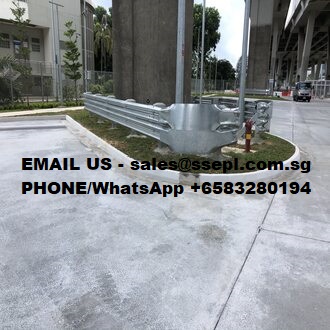
A Vehicle Impact Guardrail (VIG) is a safety barrier designed to absorb the impact of vehicles that may veer off course. These barriers are strategically installed in high-risk areas, such as bus terminals, to protect pedestrians, vehicles, and infrastructure from potential collisions. Made from durable materials, VIGs are engineered to withstand significant force while minimizing damage and injury.
Singapore Specialized Engineering Pte ltd

Category: Metal Fabrication
MRT Track Column Protection VIG
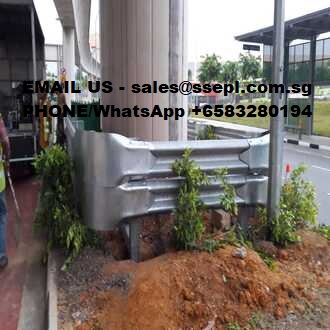
Vehicle Impact Guardrail (VIG) is a specialized safety barrier designed to absorb and redirect the energy from vehicle collisions. Installed around MRT track columns, VIG serves as the first line of defense against accidents, protecting the structural integrity of transit systems and ensuring passenger safety.
Over Bridge VIG

Vehicle Impact Guardrails, commonly known as VIGs, are specially designed barriers installed along roadways, particularly at overpasses and bridges. Their primary function is to minimize the impact of vehicles that may veer off course, preventing them from crashing into pedestrians, structures, or other vehicles.
Flyover VIG

Flyover VIG, or Vehicle Impact Guardrail, is a safety installation designed to prevent vehicles from veering off the road on elevated structures such as flyovers and bridges. These guardrails are engineered to absorb the impact of a vehicle collision, minimizing damage to both the vehicle and the structure, while also protecting pedestrians and nearby properties.
Viaduct VIG
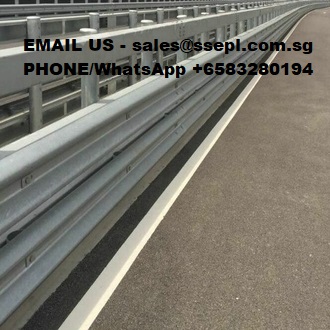
The Viaduct VIG is a specialized guardrail system engineered to absorb and redirect the energy from vehicular impacts. Unlike traditional guardrails, which can sometimes lead vehicles to roll over or cause more severe accidents, the VIG system is designed to minimize damage and enhance safety for all road users.
Culvert VIG
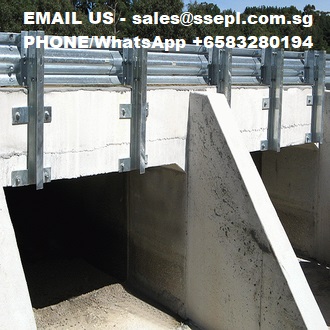
Culvert VIG, or Vehicle Impact Guardrail, is a specially designed barrier system installed near culverts or roadside ditches to protect vehicles and their occupants from potential accidents. These guardrails are strategically placed to absorb the impact of vehicles that may veer off the road, thereby reducing the severity of collisions.
Vehicular Impact Guardrail Double Buffer End Wing
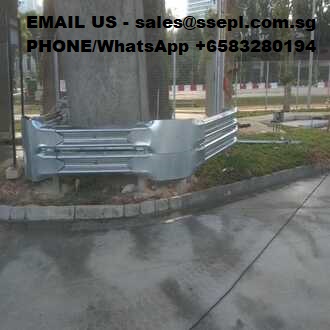
The Double Buffer End Wing is an extension of traditional guardrail systems, designed specifically to mitigate the impact forces when a vehicle collides with the end of a guardrail. This design utilizes a double buffer mechanism, which includes two distinct energy-absorbing components that work in tandem to cushion the impact. The primary goal is to redirect the vehicle back onto the road while minimizing the risk of injury to the occupants and damage to the vehicle.
Vehicular Impact Guardrail Single Buffer End Wing
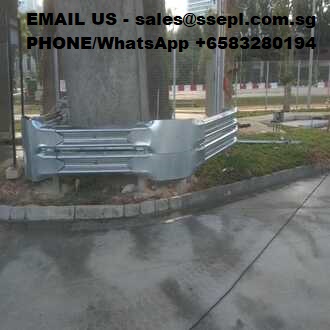
A Vehicular Impact Guardrail is a safety barrier installed along roadsides to prevent vehicles from veering off the road or colliding with obstacles such as trees, light poles, or steep embankments. These guardrails are designed to absorb the energy of a vehicle during a collision, minimizing the risk of injuries and fatalities.
Vehicular Impact Guardrail Buffer End Wing
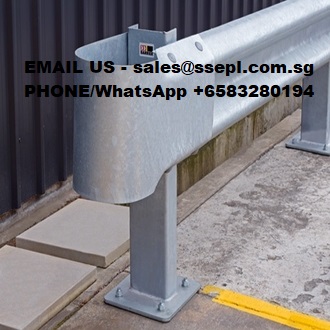
A guardrail buffer end wing is a structural element attached to the end of a guardrail system. Its primary purpose is to absorb the impact energy of a vehicle that may collide with the end of the guardrail. This design feature not only helps to redirect vehicles safely back onto the roadway but also mitigates the risk of serious injuries or fatalities.
Vehicular Impact Guardrail Corrosion Control
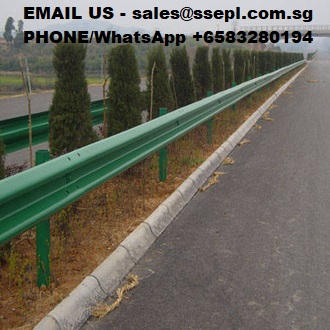
When it comes to road safety, vehicular impact guardrails play a crucial role in protecting both drivers and pedestrians. However, these essential safety features are often subjected to harsh environmental conditions that can lead to corrosion, compromising their structural integrity. In this comprehensive guide, we will explore effective corrosion control methods for vehicular impact guardrails, ensuring they remain a reliable line of defense on our roads.