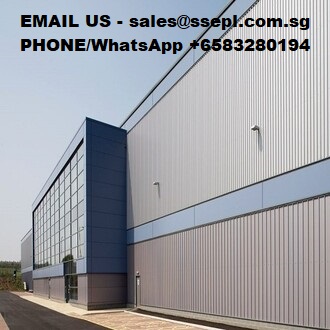
Industrial wall cladding refers to the application of various materials on the exterior or interior walls of industrial buildings. This innovative technique not only improves the appearance of your facility but also provides protection against environmental factors such as moisture, temperature fluctuations, and chemical exposure. Cladding can be made from various materials, including metal, wood, vinyl, and composite materials, each offering unique advantages.
Singapore Specialized Engineering Pte ltd

Category: Metal Fabrication
Factory Building Metal Cladding
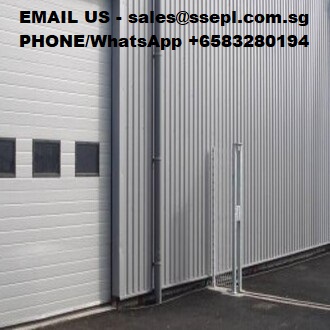
Metal cladding refers to the process of applying a layer of metal to the exterior of a structure. This material serves as both a protective barrier and a decorative finish. Common metals used for cladding include steel, aluminum, and zinc, which can be treated with various coatings for added resistance against corrosion and weathering.
Industrial Metal Cladding
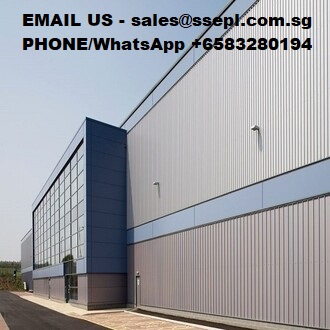
Industrial metal cladding refers to the application of metal panels or sheets to the exterior of buildings. This process not only enhances the aesthetic appeal of industrial structures but also provides critical protection against environmental factors. Common materials used for metal cladding include aluminum, steel, zinc, and copper, each offering unique properties that cater to various industrial needs.
Decorative Metal Screen Panel
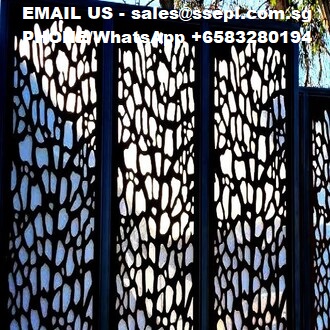
Decorative metal screen panels are architectural elements made from various metals, including aluminum, steel, and wrought iron. These panels are designed with intricate patterns and textures that can serve multiple purposes, such as privacy screening, room dividers, or decorative accents. Their robust nature allows them to withstand outdoor elements, making them perfect for both indoor and outdoor applications.
Laser Cut Outdoor Screen
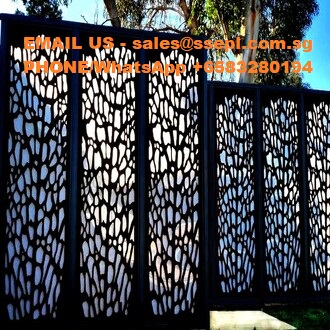
Laser cut outdoor screens are decorative panels made from various materials, such as metal, wood, or composite materials, that have been precisely cut using laser technology. This method allows for intricate patterns and designs, ranging from floral motifs to geometric shapes, which can beautifully complement any outdoor setting.
Corten Steel Laser Cut Screen
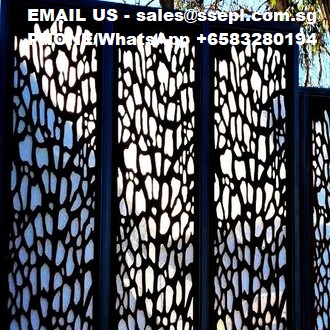
Corten steel, also known as weathering steel, is a group of steel alloys that develop a rust-like appearance when exposed to the elements. This unique patina not only adds character but also protects the steel from further corrosion. Corten steel is incredibly durable and is commonly used in outdoor applications, making it a popular choice for architectural elements like laser cut screens.
Corten Steel Panel
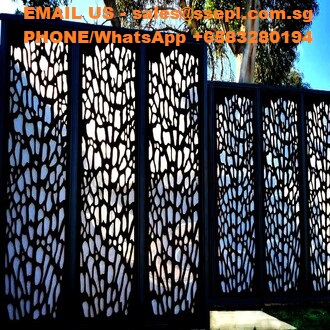
Corten steel, also known as weathering steel, is a group of steel alloys developed to eliminate the need for painting. This steel has a distinctive rust-like appearance achieved through a controlled oxidation process, which creates a protective layer that prevents further corrosion. Over time, this layer develops a rich patina that adds character and charm to any structure.
Perforated Corten Steel Panel

Corten steel, also known as weathering steel, is a group of steel alloys designed to eliminate the need for painting, offering a unique rust-like appearance that enhances over time. Unlike regular steel, corten steel develops a stable rust layer that protects the underlying material from further corrosion, making it an excellent choice for outdoor applications.
Corten Steel Cladding
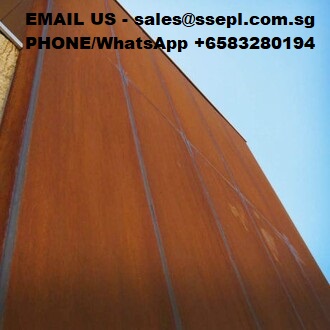
Corten steel, also known as weathering steel, is a group of steel alloys that develop a rust-like appearance when exposed to the elements. This rust layer acts as a protective barrier, preventing further corrosion and giving the steel its distinctive, warm, and earthy tones. The unique patina that Corten steel develops over time is one of its most attractive features, making it a favorite among architects and designers.
Metal Hump
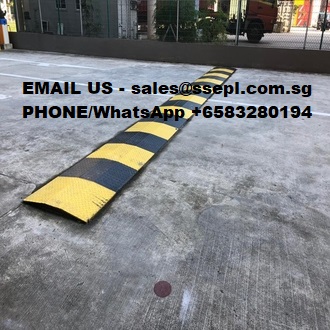
A metal hump is a raised feature made from metal materials, commonly used to alter the shape and function of a surface. These structures can be found in roads, parking lots, and even factory floors, where they serve various functions ranging from speed control to load distribution.